As a supplier of meat bandsaw blades, I’ve witnessed firsthand the frustration and downtime that a broken blade can cause. A meat bandsaw blade is a crucial component in the meat processing industry, and its failure can disrupt operations, lead to increased costs, and even pose safety risks. In this blog post, I’ll explore the various factors that can cause a meat bandsaw blade to break and provide insights on how to prevent these issues. Meat Bandsaw Blade
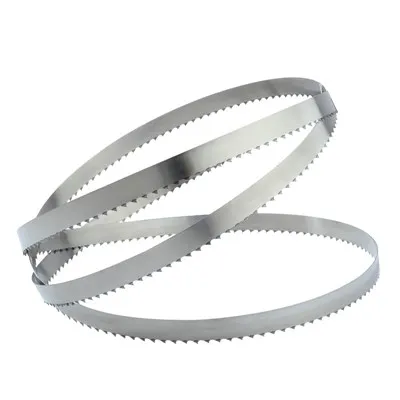
1. Improper Blade Selection
One of the most common causes of blade breakage is improper blade selection. Different types of meat and cutting applications require specific blade characteristics, such as tooth pitch, blade width, and tooth geometry. Using the wrong blade for a particular job can put excessive stress on the blade, leading to premature wear and breakage.
For example, if you’re cutting a large, tough piece of meat, a blade with a coarse tooth pitch may be more suitable as it can handle the heavy cutting load. On the other hand, a fine-tooth blade is better for slicing delicate meats or making precise cuts. Additionally, the width of the blade should be appropriate for the size of the bandsaw and the cutting task. A blade that is too narrow may not provide enough stability, while a blade that is too wide can cause excessive vibration and stress.
To ensure proper blade selection, it’s important to understand the specific requirements of your meat processing operations. Consult with your blade supplier or a knowledgeable professional to determine the best blade for your needs. They can provide guidance on tooth pitch, blade width, and other factors based on the type of meat you’re cutting and the equipment you’re using.
2. Incorrect Blade Installation
Another factor that can contribute to blade breakage is incorrect blade installation. If the blade is not installed properly, it can cause uneven tension, misalignment, or excessive vibration, all of which can lead to premature wear and breakage.
When installing a meat bandsaw blade, it’s essential to follow the manufacturer’s instructions carefully. Make sure the blade is properly tensioned, with the correct amount of tension applied to ensure smooth operation. Over-tightening the blade can cause it to break, while under-tightening can result in poor cutting performance and increased wear.
In addition to proper tension, the blade must be aligned correctly on the bandsaw wheels. Misalignment can cause the blade to rub against the guides or other components, leading to excessive wear and breakage. Check the alignment regularly and make any necessary adjustments to ensure the blade is running smoothly.
3. Dull or Damaged Blades
A dull or damaged blade is more likely to break than a sharp, well-maintained blade. Over time, the teeth of a meat bandsaw blade can become dull due to normal wear and tear, or they may be damaged by hitting hard objects such as bone or metal. A dull blade requires more force to cut through the meat, which can put additional stress on the blade and increase the risk of breakage.
To prevent blade breakage due to dullness or damage, it’s important to regularly inspect and maintain your blades. Sharpen the blade as needed using a suitable sharpening tool or have it professionally sharpened. Replace the blade if it is severely damaged or worn beyond repair.
4. Excessive Cutting Pressure
Applying excessive cutting pressure can also cause a meat bandsaw blade to break. When too much pressure is applied, the blade can become overloaded, leading to increased stress and potential breakage. This is especially true when cutting tough or dense meats.
To avoid excessive cutting pressure, it’s important to use the appropriate cutting technique. Let the blade do the work and avoid forcing it through the meat. Use a steady, even pressure and allow the blade to cut at its own pace. If you encounter resistance, stop and check the blade for dullness or damage.
5. Contaminants and Foreign Objects
Contaminants and foreign objects in the meat can also cause a meat bandsaw blade to break. Bone fragments, metal particles, or other debris can get caught in the teeth of the blade, causing damage and increasing the risk of breakage.
To prevent this, it’s important to ensure that the meat is free of contaminants before cutting. Inspect the meat carefully and remove any bone fragments or foreign objects. Use a meat grinder or other equipment to remove bones and other debris before cutting with the bandsaw.
6. Improper Maintenance
Proper maintenance is essential for the longevity and performance of a meat bandsaw blade. Failure to maintain the blade can lead to premature wear and breakage.
Regularly clean the blade to remove any meat residue, grease, or other contaminants. Use a suitable cleaning solution and a soft brush to clean the blade thoroughly. Lubricate the blade as recommended by the manufacturer to reduce friction and wear.
In addition to cleaning and lubrication, it’s important to inspect the blade regularly for signs of wear or damage. Check the teeth for dullness, chips, or other damage, and replace the blade if necessary.
7. Machine Malfunctions
Machine malfunctions can also cause a meat bandsaw blade to break. Issues such as worn bearings, misaligned wheels, or faulty tensioning systems can put additional stress on the blade and increase the risk of breakage.
To prevent machine malfunctions, it’s important to regularly maintain and service your bandsaw. Follow the manufacturer’s recommended maintenance schedule and have the machine inspected by a qualified technician on a regular basis. Check the bearings, wheels, and tensioning system for wear or damage and replace any worn or damaged components as needed.
Preventing Blade Breakage

To prevent meat bandsaw blade breakage, it’s important to take a proactive approach to blade selection, installation, maintenance, and operation. Here are some tips to help you keep your blades in good condition and minimize the risk of breakage:
- Select the right blade: Choose a blade that is appropriate for the type of meat you’re cutting and the cutting application. Consult with your blade supplier or a knowledgeable professional for guidance.
- Install the blade correctly: Follow the manufacturer’s instructions carefully when installing the blade. Make sure the blade is properly tensioned and aligned.
- Maintain the blade: Regularly clean, lubricate, and inspect the blade for signs of wear or damage. Sharpen the blade as needed and replace it if it is severely damaged or worn beyond repair.
- Use the appropriate cutting technique: Let the blade do the work and avoid applying excessive cutting pressure. Use a steady, even pressure and allow the blade to cut at its own pace.
- Keep the meat clean: Ensure that the meat is free of contaminants and foreign objects before cutting. Inspect the meat carefully and remove any bone fragments or other debris.
- Maintain the machine: Regularly maintain and service your bandsaw to prevent machine malfunctions. Follow the manufacturer’s recommended maintenance schedule and have the machine inspected by a qualified technician on a regular basis.
Conclusion
Meat Bandsaw Blade A broken meat bandsaw blade can cause significant downtime and cost in the meat processing industry. By understanding the factors that can cause blade breakage and taking proactive steps to prevent these issues, you can keep your blades in good condition and minimize the risk of breakage. As a meat bandsaw blade supplier, I’m committed to providing high-quality blades and expert advice to help you optimize your meat processing operations. If you have any questions or need assistance with blade selection, installation, or maintenance, please don’t hesitate to contact me. I’m here to help you find the right solution for your needs.
References
- "Meat Bandsaw Blade Selection Guide." [Manufacturer’s Name], [Year].
- "Maintenance and Care of Meat Bandsaw Blades." [Industry Publication], [Year].
- "Preventing Blade Breakage in Meat Processing." [Research Report], [Year].
Zhejiang Sipu Sawing Industry Co., Ltd.
With abundant experience, we are one of the most reliable meat bandsaw blade manufacturers and suppliers in China. Please feel free to buy high quality meat bandsaw blade made in China here from our factory. We also accept customized orders.
Address: No. 1129 Cangling Road, Huzhen Town, Jinyun County, Lishui City, Zhejiang
E-mail: ls@sipu.onaliyun.com
WebSite: https://www.sipu-saw.com/
