As a supplier of evaporators in the chemical industry, I understand the critical importance of safety when using these essential pieces of equipment. Evaporators play a significant role in various chemical processes, such as concentration, purification, and separation. However, their operation involves potential hazards that must be carefully managed to ensure the well – being of workers and the integrity of the production environment. In this blog, I will discuss the key safety considerations when using an evaporator in the chemical industry. Evaporator
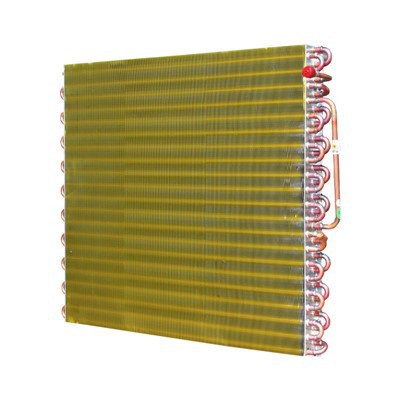
1. Material Compatibility
One of the primary safety concerns when using an evaporator is the compatibility of the materials involved. The evaporator must be constructed from materials that can withstand the chemical properties of the substances being processed. For example, if the chemical being evaporated is highly corrosive, the evaporator should be made of corrosion – resistant materials such as stainless steel, titanium, or special alloys.
Using incompatible materials can lead to corrosion, which not only shortens the lifespan of the evaporator but also poses a risk of leaks. A leak can release hazardous chemicals into the environment, endangering the health of workers and causing damage to the surrounding infrastructure. Before selecting an evaporator, it is crucial to conduct a thorough analysis of the chemical composition of the feedstock and choose the appropriate materials accordingly.
2. Pressure and Temperature Control
Evaporators operate under specific pressure and temperature conditions. Maintaining proper pressure and temperature is essential for both the efficiency of the evaporation process and safety. Over – pressurization can cause the evaporator to rupture, leading to a violent release of chemicals and steam. On the other hand, under – pressurization may result in inefficient evaporation and potential process failures.
Temperature control is equally important. If the temperature is too high, it can cause thermal degradation of the chemicals, leading to the formation of unwanted by – products or even hazardous reactions. Conversely, if the temperature is too low, the evaporation rate may be too slow, affecting the overall productivity of the process.
Modern evaporators are equipped with advanced pressure and temperature sensors and control systems. These systems continuously monitor the operating conditions and adjust them as needed to ensure safe and efficient operation. Regular calibration of these sensors is necessary to maintain their accuracy.
3. Ventilation and Air Quality
In the chemical industry, the evaporation process often involves the release of volatile organic compounds (VOCs) and other hazardous gases. Adequate ventilation is crucial to remove these gases from the work area and maintain a safe air quality. Poor ventilation can lead to the accumulation of toxic gases, which can cause respiratory problems, headaches, and other health issues for workers.
The ventilation system should be designed to capture and remove the gases at the source. This may involve the use of local exhaust ventilation (LEV) systems, which are installed near the evaporator to draw in the contaminated air. The exhaust air should be treated before being released into the environment to comply with environmental regulations.
4. Operator Training
Proper operator training is essential for the safe use of evaporators. Operators should be well – versed in the operation, maintenance, and safety procedures of the evaporator. They should understand the potential hazards associated with the equipment and know how to respond to emergencies.
Training should cover topics such as start – up and shut – down procedures, pressure and temperature control, cleaning and maintenance, and emergency response. Regular refresher courses should be provided to ensure that operators stay up – to – date with the latest safety practices.
5. Emergency Preparedness
Despite all the safety measures in place, emergencies can still occur. It is important to have a comprehensive emergency preparedness plan in place. This plan should include procedures for dealing with leaks, fires, and other potential hazards.
Emergency response equipment, such as fire extinguishers, spill containment kits, and personal protective equipment (PPE), should be readily available in the work area. Operators should be trained on how to use this equipment effectively. Regular emergency drills should be conducted to ensure that all workers are familiar with the emergency procedures and can respond quickly and effectively in case of an incident.
6. Maintenance and Inspection
Regular maintenance and inspection are crucial for the safe operation of evaporators. Maintenance tasks should include cleaning, lubrication, and replacement of worn – out parts. Inspections should be carried out to check for signs of corrosion, leaks, and other potential problems.
Preventive maintenance can help identify and address issues before they become major problems. It is recommended to follow the manufacturer’s maintenance schedule and guidelines. In addition, any repairs or modifications to the evaporator should be carried out by qualified personnel to ensure that the equipment remains safe and compliant with relevant standards.
7. Safety Interlocks and Alarms
Modern evaporators are often equipped with safety interlocks and alarms to prevent unsafe operation. Safety interlocks are devices that prevent the evaporator from operating under certain conditions, such as when the pressure or temperature is outside the safe range. Alarms are used to alert operators when there is a potential problem, such as a leak or a malfunction.
These safety features should be regularly tested to ensure that they are functioning properly. Any faults or malfunctions should be repaired immediately to maintain the safety of the equipment.
8. Waste Management
The evaporation process in the chemical industry often generates waste products. Proper waste management is essential to prevent environmental pollution and ensure the safety of the workplace. Waste should be collected, stored, and disposed of in accordance with relevant environmental regulations.
Some waste products may be hazardous and require special handling. For example, waste containing heavy metals or toxic chemicals should be treated before disposal to reduce its environmental impact. Recycling and reuse of waste materials should also be considered wherever possible to minimize waste generation.
9. Risk Assessment
Before installing and operating an evaporator, a comprehensive risk assessment should be conducted. This assessment should identify all the potential hazards associated with the equipment and the process, and evaluate the likelihood and consequences of these hazards.
Based on the risk assessment, appropriate control measures should be implemented to reduce the risks to an acceptable level. The risk assessment should be reviewed and updated regularly to account for any changes in the process, equipment, or operating conditions.
10. Regulatory Compliance
The chemical industry is subject to a wide range of regulations and standards related to safety and environmental protection. When using an evaporator, it is essential to ensure compliance with all relevant regulations.
These regulations may cover aspects such as equipment design, installation, operation, and maintenance. Failure to comply with these regulations can result in fines, legal liabilities, and damage to the company’s reputation. Therefore, it is important to stay informed about the latest regulatory requirements and ensure that the evaporator and the associated processes meet these standards.
In conclusion, safety is of utmost importance when using an evaporator in the chemical industry. By considering the factors mentioned above, such as material compatibility, pressure and temperature control, ventilation, operator training, and emergency preparedness, we can minimize the risks associated with evaporator operation.
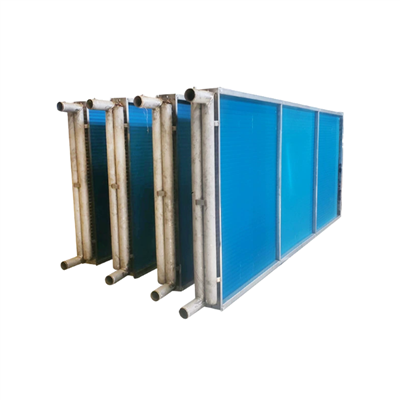
As a trusted evaporator supplier, we are committed to providing high – quality equipment that meets the highest safety standards. Our evaporators are designed and manufactured with safety in mind, incorporating the latest technologies and features to ensure reliable and safe operation.
Finned Tube If you are in the market for an evaporator for your chemical process, we invite you to contact us for a detailed discussion. Our team of experts can help you select the right evaporator for your specific needs and provide you with comprehensive support throughout the installation, operation, and maintenance process. Let’s work together to ensure a safe and efficient chemical production environment.
References
- Chemical Engineering Safety Handbook, various editions
- Standards and guidelines from relevant industry associations such as the American Institute of Chemical Engineers (AIChE)
- Manufacturer’s manuals and technical documentation for evaporators.
Xiangshui Derkang Refrigeration Equipment Co., Ltd.
As one of the most professional evaporator manufacturers in China, we’re featured by quality products and low price. If you’re going to buy discount evaporator, welcome to get quotation from our factory. We also accept customized orders.
Address: No. 2, Xiaojian Town Entrepreneurship Park, Xiangshui County
E-mail: 505745223@qq.com
WebSite: https://www.xsderk.com/
